

Music, Stereotypes, and the Right to Be Complex
LEARNING COMPANION
TO EP3 OF UNLEARN
View Episode 3 Part 1
View Episode 3 Part 2
PUBLISHED
January 1, 2026
WORDS BY
ZOE MAP
In this episode we turn to music, specifically Black music, Hip Hop and the stereotypes projected onto artists of color, especially in Italy and the diaspora around the world. This episode is about sound as language, as protest, as transformation. Identity has always been at the core of the UNLEARN series, but what few people know is that this project is also rooted in Hip Hop.
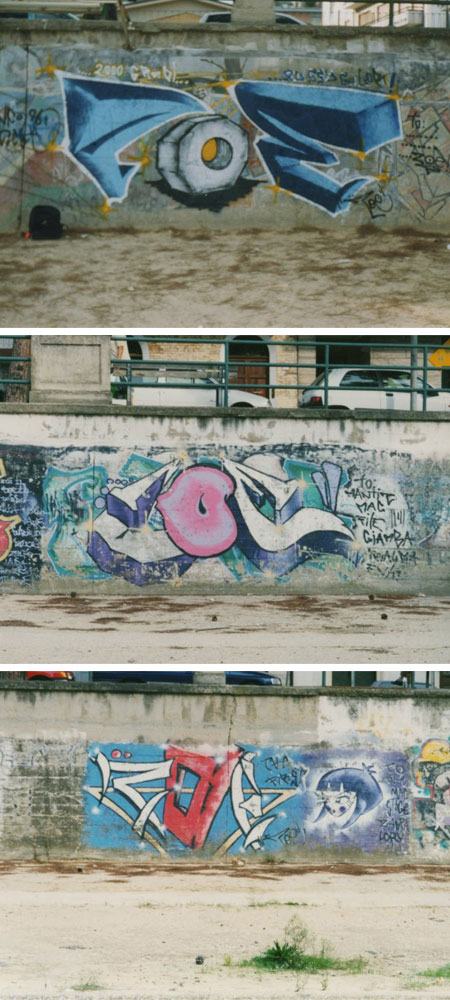
From the archives. Zoe Map tags. Late 90s.
I was born and raised in Italy, on the border of the Marche and Abruzzo regions in an urban, rural, and working class environment. My dad was a truck driver and the youngest of twelve siblings; my mom worked as a secretary at a lawyer’s office when she was just fifteen, and later as a house cleaner. She’s always been incredibly curious and her mindset really shaped me. Her mission was to send me and my brother to college. Growing up, I didn’t fit in. Italy has always been deeply sexist, and I was at the intersection of classism and sexism, which marked me in my formative years. When I was in high school — in the late ’90s — I started experimenting with graffiti. On my daily train rides to class, I’d stare out the window and get quick glances of the top-to-bottom wall pieces on passing trains, sketching tags in my notebook. I chose the name ZOE because I liked the short and catchy way the letters looked and sounded. I was crafting an identity, part manga character and part alter ego. Shaped by Japanese and American comics and fueled by the fighting spirit of arcade legends like Tekken, Street Fighter, and Soul Calibur, my identity became a fusion of ninja stealth and Amazonian power — ready to strike, ready to stand.
I fell in love with Hip Hop, hard. It was never just about music, it was a hidden language. I understood that Hip Hop was a way to reclaim your place in the world, to recognize and be recognized. I see you. I get you.
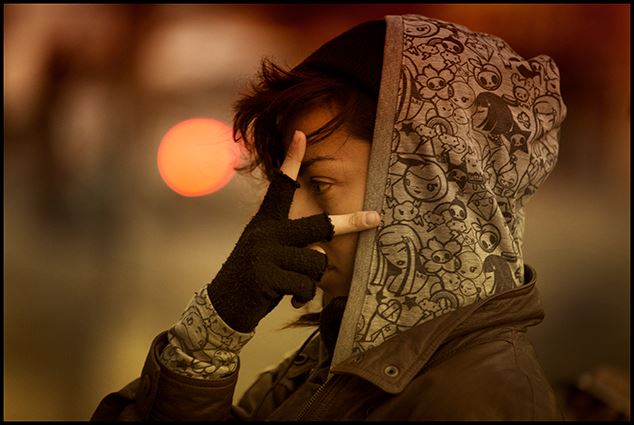
From the archives. Zoe Map in the early 00s.
I became very involved in the Arts, and through dance and filmmaking, I entered a world that offered me the tools to express myself, but I had to fight for a place. Misogyny was everywhere, even in Hip Hop circles. I was rejected, underestimated, and dismissed because of my gender, but the culture taught me how to find my true self. In 2008, I moved to New York City — my very first sogno nel cassetto — landing in Brooklyn during one of the toughest financial crises in history. Just twelve days in, I ran into Extra Polo, an Italian MC from La Famiglia, and graffiti photographer Henry Chalfant — yes! Two living legends in one day. That wasn’t a coincidence. That was Gotham saying: You’re exactly where you need to be.
A month later Barack Obama, the first Black president, was elected.
This episode dives into the question:
“Why does society corner Black people and people of color into specific musical genres?”
We ask what it means to be “authentic” when the music industry polices identity, and when Black expression is consumed but exploited.
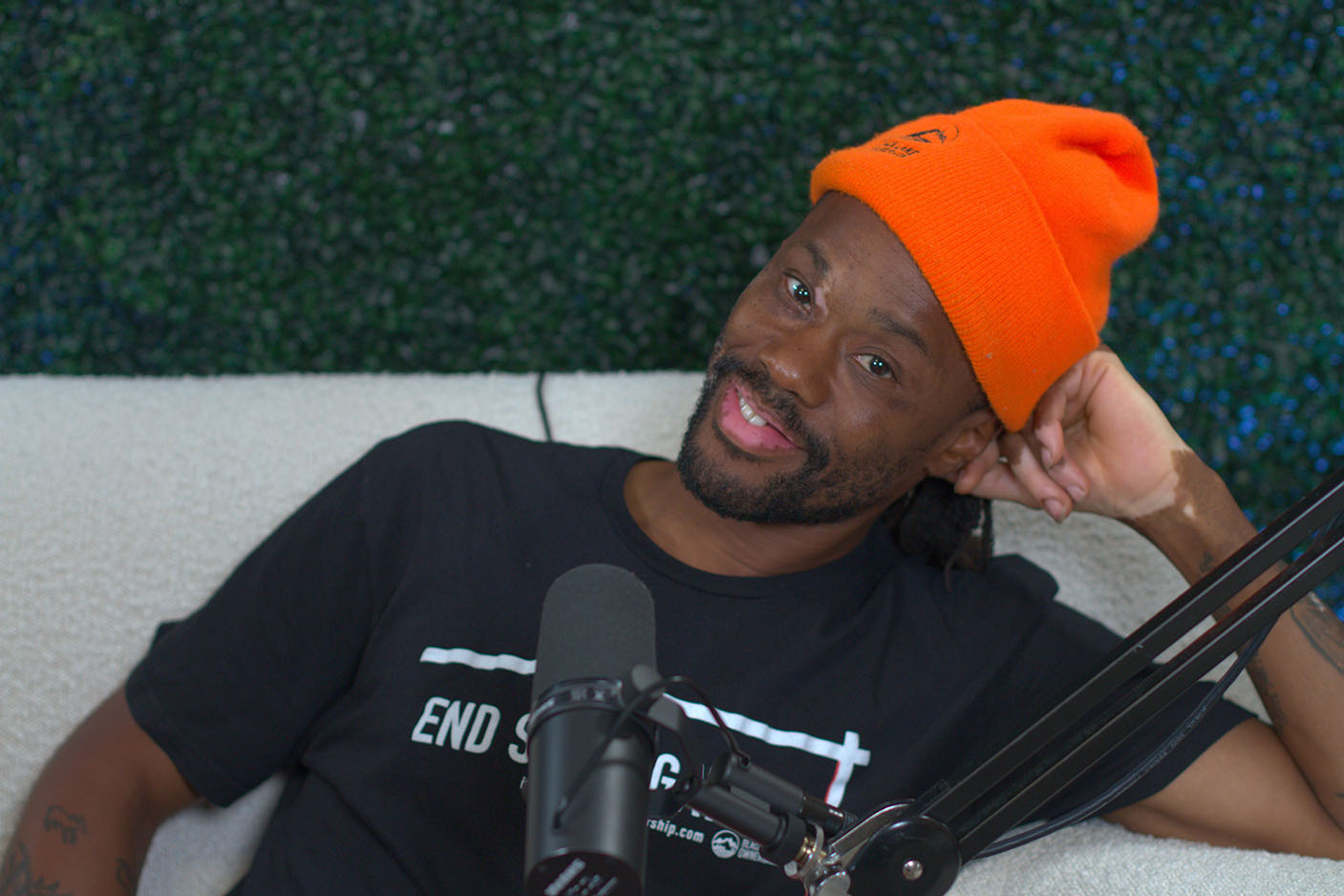
Chris Carr, poet, rapper, and founder of Black Land Ownership, spoke on the contradictions in the music industry: how Black music is celebrated, monetized, and yet often filtered through non-Black gatekeepers. He reminded us that Hip Hop, born in the Bronx, has always been a melting pot of race and risk-taking, shaped by context and culture – not contracts.
Alejandro Lombardi, aka The Phronetic, unraveled a different knot: what it means to live at the intersection of race, adoption, and trans identity. Born in Colombia, adopted by Italian American parents, and raised in South Brooklyn, Alejandro talked about navigating multiple realities. He rejected labels like “the trans rapper” but held space for those who choose to claim them. Hip Hop, for him, is about freedom to define yourself.
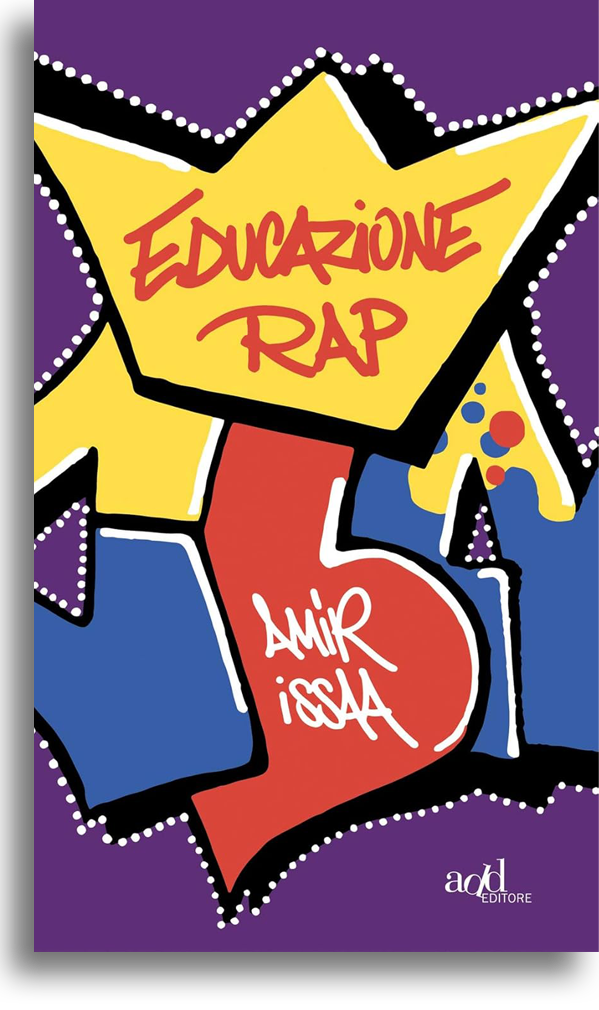
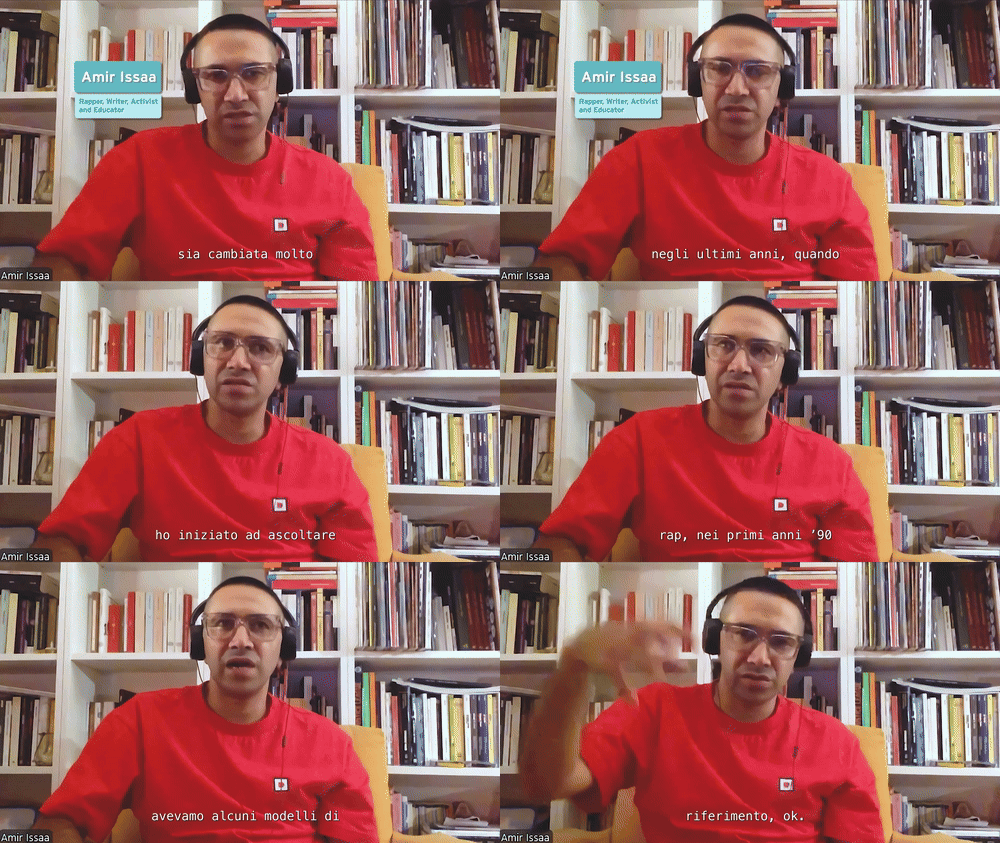
Amir Issaa, rapper, writer, and educator, joined us from Rome. A pioneer of second-generation in Italy. Amir first found refuge in graffiti under the name CINA, then in rap, reclaiming his real name. Growing up between cultures with an Egyptian father and Italian mother. He never felt fully “inside” Italian identity. Rome’s multicultural crew Rome Zoo gave him both a platform and a purpose. Hip Hop became a safe space to speak truthfully about racism, identity, fatherhood, and survival.
In a world where institutions decide who gets to speak, Hip Hop has always been the people’s microphone. It was taken, claimed, and turned into a weapon of raw, radical, and real expression.
Masculinity
queerness
and the power
of naming
queerness
and the power
of naming
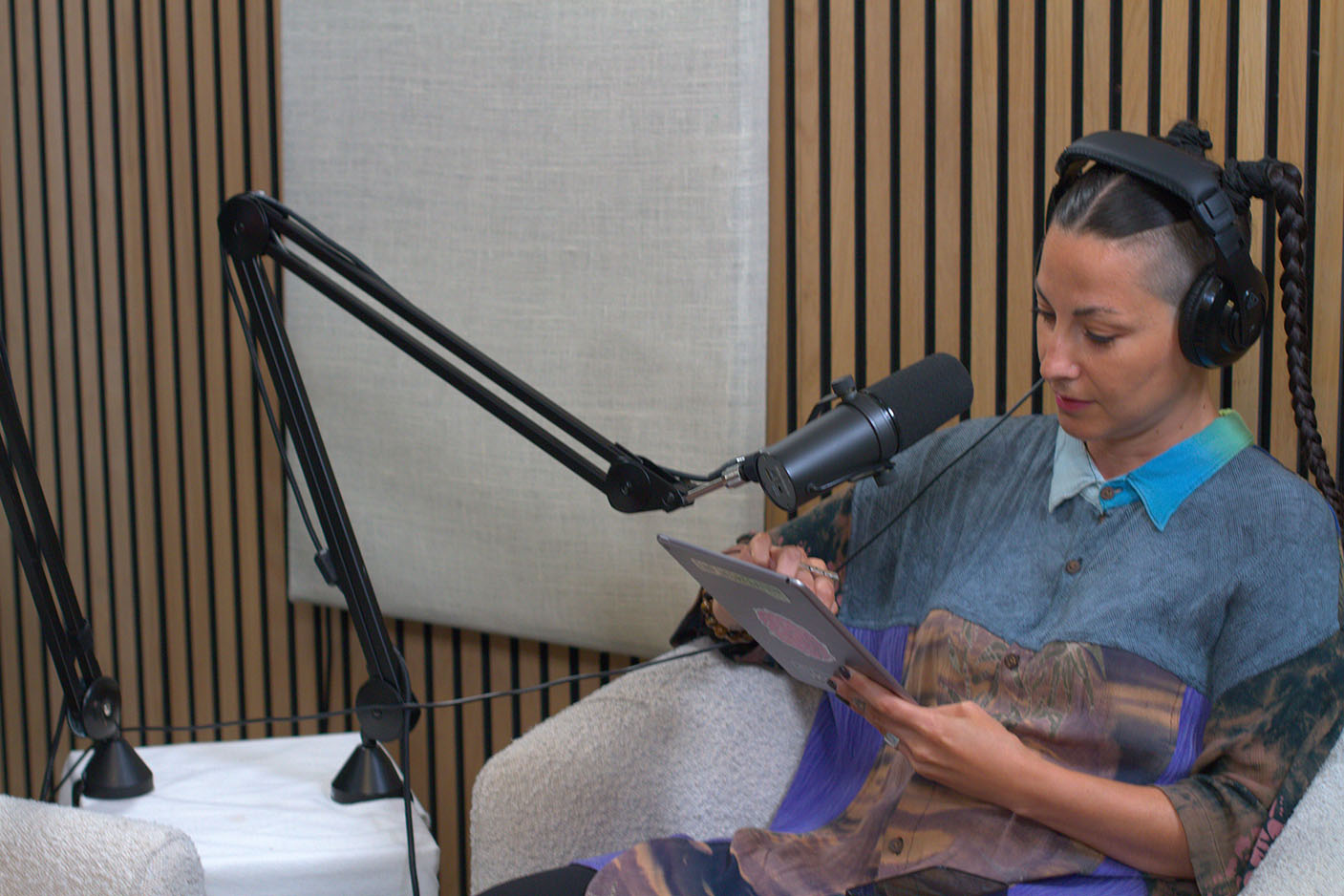
In the 2nd part of this episode, I opened a dialogue on masculinity, queerness, and how to confront the toxicity still present in the culture we love.
Naming matters. Terminology is power. Hip Hop gave us a world where society made us invisible. And in a society that erases or oversimplifies people, we have learned how to reclaim the right to be complex, not boxed in by stereotypes or algorithms.
Alejandro shared how reconnecting with Spanish later in life was like reclaiming a stolen sound, while Amir reflected on how fatherhood reshaped his understanding of rap as a craft and a responsibility towards new generations. Chris spoke of building something lasting not just musically, but politically, economically, and spiritually.
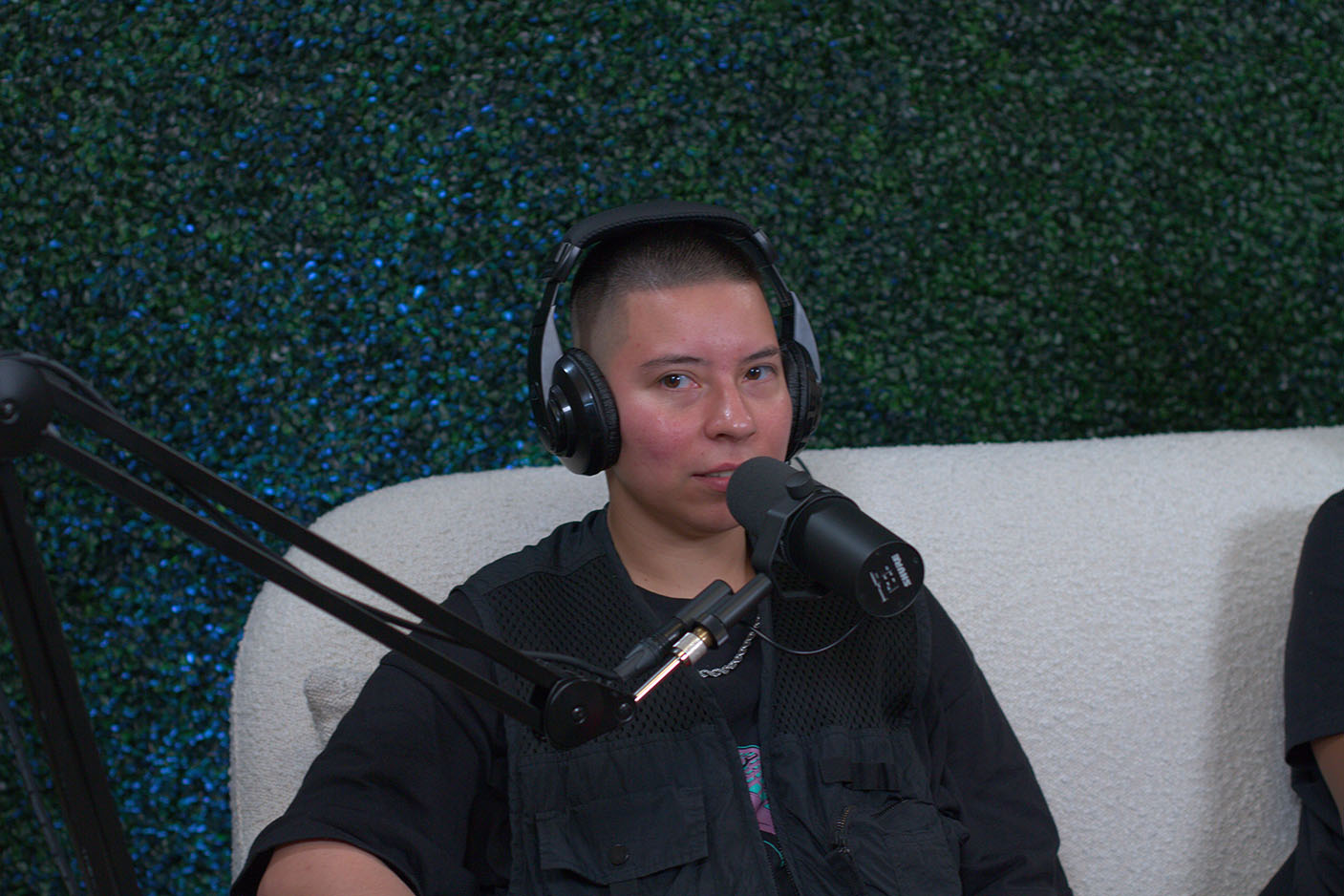
Alejandro Lombardi, aka The Phronetic.
Three episodes. Three lenses but one ongoing conversation:
Who gets to define what it means to be Italian? Who belongs in the narrative? And how do we listen and learn differently?
Hip Hop taught me to ask better questions.
To analyze the past with tools.
To stand in the truth of being many things at once.
This culture, this movement was never ‘just’ music. It was always about freedom.
This is UNLEARN and this is just the beginning.
Season 1 ends
but the work
continues
but the work
continues
DEFINITIONS
Tag: (graffiti)
A tag is the foundation of graffiti art, which is a calligraphic, stylized personal signature, usually made with spray paint or markers. It often includes a graffiti artist’s – or better called Writer – name, initials, or alias and may be shortened or include suffixes like “one”. More than just a name, a tag is a unique artsy form of self-expression and a way to claim identity and space.
Top-to-bottom: (or “t2b”)
A graffiti piece that spans the full height of a train carriage from top to bottom but does not cover its entire length. This distinguishes it from a “whole car,” which covers the full surface. While most commonly associated with trains, the term can also refer to large-scale graffiti on walls or buildings that are fully covered vertically.
Cipher: (Cypher)
A cipher, (also spelled cypher) is a foundational element of hip-hop culture, referring to a circle where MCs and or dancers gather to freestyle, exchange verses, challenge each other and sharpen their skills. The cipher draws from older traditions in the African diaspora, such as drum circles with dancers, where expression flowed in communal rhythm and rituals. Originating in the mid-1960s as well with the Five Percent Nation, the term described a sacred space for sharing spiritual and cultural knowledge. More than a performance, the cipher represents hip hop’s core values: community, creativity, and coded cultural knowledge.
Political correct:
To be politically correct means to use language or behave in ways that avoid offending or marginalizing groups of people who are socially disadvantaged or historically discriminated against — such as people based on their race, gender, sexuality, disability, religion, or nationality.
Woke:
Originally meant being awake and aware, especially to social injustices like racism, inequality, and discrimination. It comes from African American Vernacular English (AAVE), where “stay woke” was a call to stay alert to racial injustice.
Cancel culture:
The social practice of publicly rejecting or boycotting a person, brand, or cultural symbol such as a monument or public statue. Related to ideology or ideas seen as offensive or harmful. It began as a form of grassroots accountability, allowing marginalized voices to challenge power and demand social justice.
Word:
“yo word is yo bond” meaning “my promise is solid/my word is reliable.” A versatile expression of affirmation, agreement, or acknowledgment, originating in African-American Vernacular English and popularized through 1980s–1990s hip-hop culture. Used alone (“Word”) or in phrases like “Word up” it conveys truth, respect, or solidarity, similar to saying “for real,” “true,” or “I agree.” The term reflects the value of one’s spoken word as a sign of authenticity and integrity within hip-hop communities.
Like this subject? Subscribe to the newsletter!
DISCLAIMER: Things you buy through our links may earn us a commission.